


.2606300654166.webp)
Commercial Pest Inspection Checklist for Lowcountry Businesses
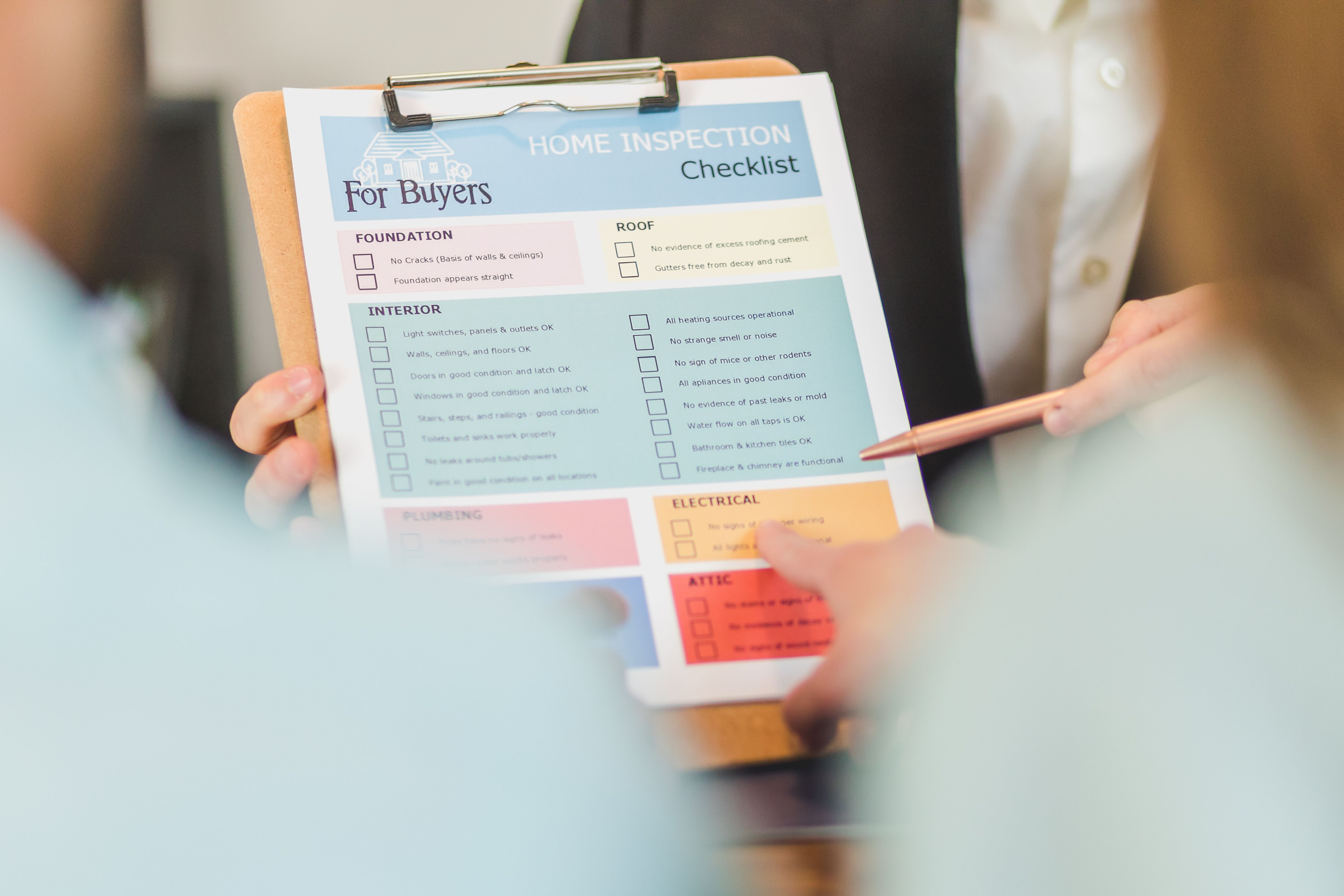
For a business, one pest sighting can create a bigger problem than most people realize. A single roach in a dining room, rodent activity near storage, ants in a breakroom, or flies around trash areas can affect customer trust, employee comfort, online reviews, and daily operations.
That is why commercial pest inspections matter. They create a regular opportunity to look for the small warning signs that are easy to miss during a busy workday. They help business owners and property managers catch small issues before they turn into larger infestations. In Lowcountry communities like Beaufort, Bluffton, Ridgeland, Hardeeville, Port Royal, Hampton, Walterboro, and nearby areas, warm weather, humidity, rain, landscaping, and heavy foot traffic can all increase pest pressure around commercial properties.
At Old South Exterminators, we help local businesses protect their properties with commercial pest control solutions designed around the building, the industry, and the risk level. The goal is to help businesses stay prepared instead of waiting until pests are already visible to customers or employees.
Why Commercial Pest Inspections Matter
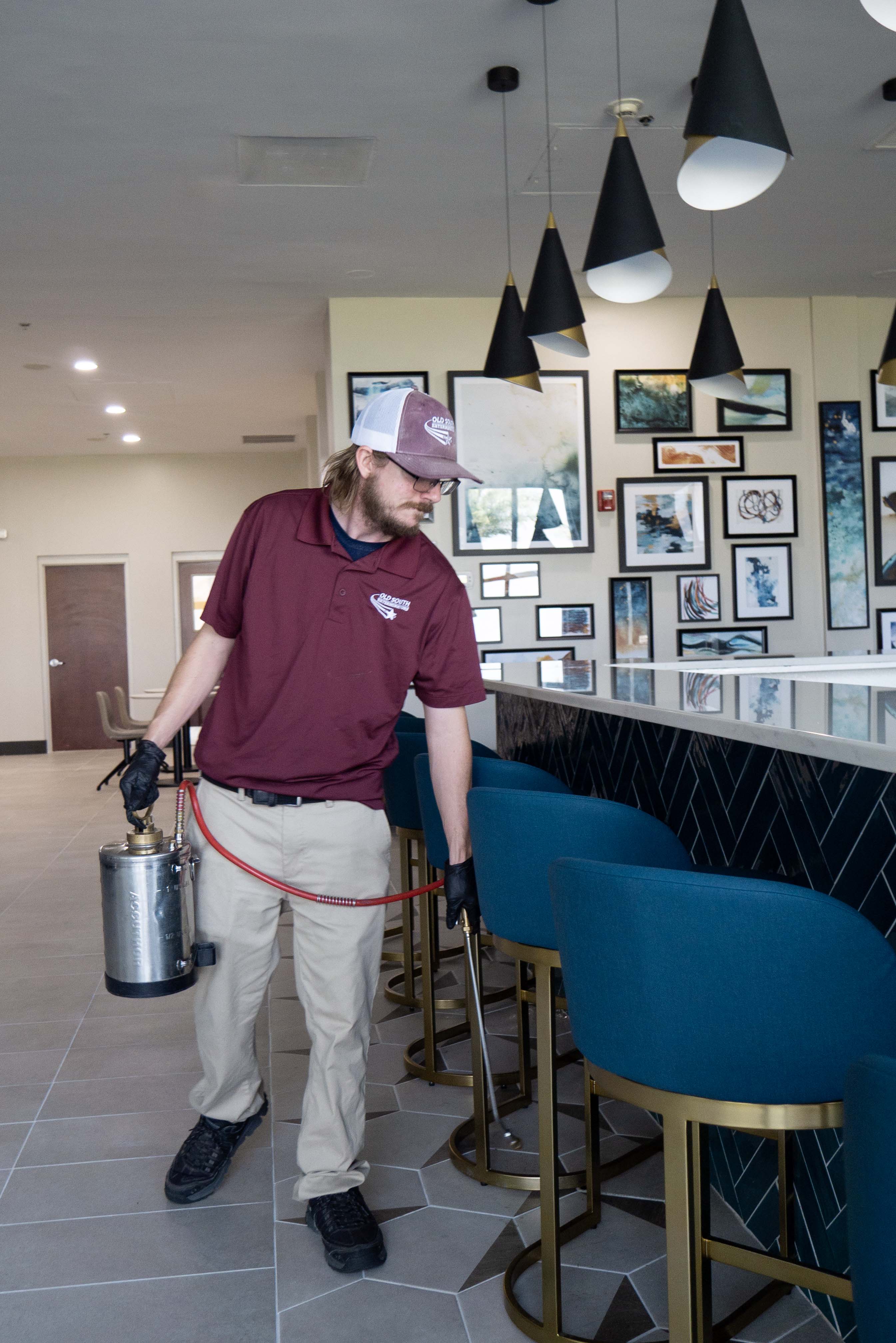
Pest problems are not only a maintenance issue. For businesses, they can affect reputation, safety, cleanliness, and compliance. Even when the issue starts behind the scenes, it can quickly become public if a customer sees activity or a staff member reports repeated signs. A pest issue that might seem small at first can quickly become a customer complaint, staff concern, or inspection problem if it is not addressed.
A commercial pest issue can lead to:
- Negative reviews or customer complaints
- Employee discomfort or distraction
- Product loss or contamination concerns
- Sanitation issues
- Failed inspections
- Delays, closures, or service disruptions
- Damage to equipment, inventory, or stored materials
The risk is especially high for customer-facing businesses like restaurants, hotels, offices, retail spaces, apartment communities, and hospitality properties. Old South has also covered related concerns in our blog on pest control mistakes Lowcountry businesses make, including overlooking entry points and waiting too long to respond.
What a Commercial Pest Inspection Should Check
A thorough commercial pest inspection looks at more than the places where pests have already been seen. The goal is to find the conditions that allow pests to enter, hide, feed, and reproduce. That includes both obvious signs, like droppings or trails, and quieter risk factors, like moisture, clutter, or worn seals.
During an inspection, we may look at:
- Exterior doors and door sweeps
- Utility openings and pipe penetrations
- Cracks, gaps, and foundation openings
- Loading docks and delivery areas
- Dumpsters and trash handling zones
- Kitchens, breakrooms, and food storage areas
- Floor drains, sinks, and plumbing areas
- Restrooms and mechanical rooms
- Storage rooms, shelving, and cardboard
- Rodent droppings, gnaw marks, or nesting signs
- Ant trails, roach activity, flies, spiders, and other pests
- Moisture issues, standing water, and landscaping near the building
These details matter because pests often stay hidden until the issue grows. Regular routine pest management helps reduce that risk by keeping prevention consistent.
Inspection Points for Restaurants, Hotels, Apartments, and Warehouses
Different businesses have different pest risks. A restaurant does not need the exact same plan as a warehouse, and a hotel does not have the same daily activity as an office. The inspection should reflect the way people, products, food, trash, and deliveries move through the building. That is why inspections should match how the property is actually used.
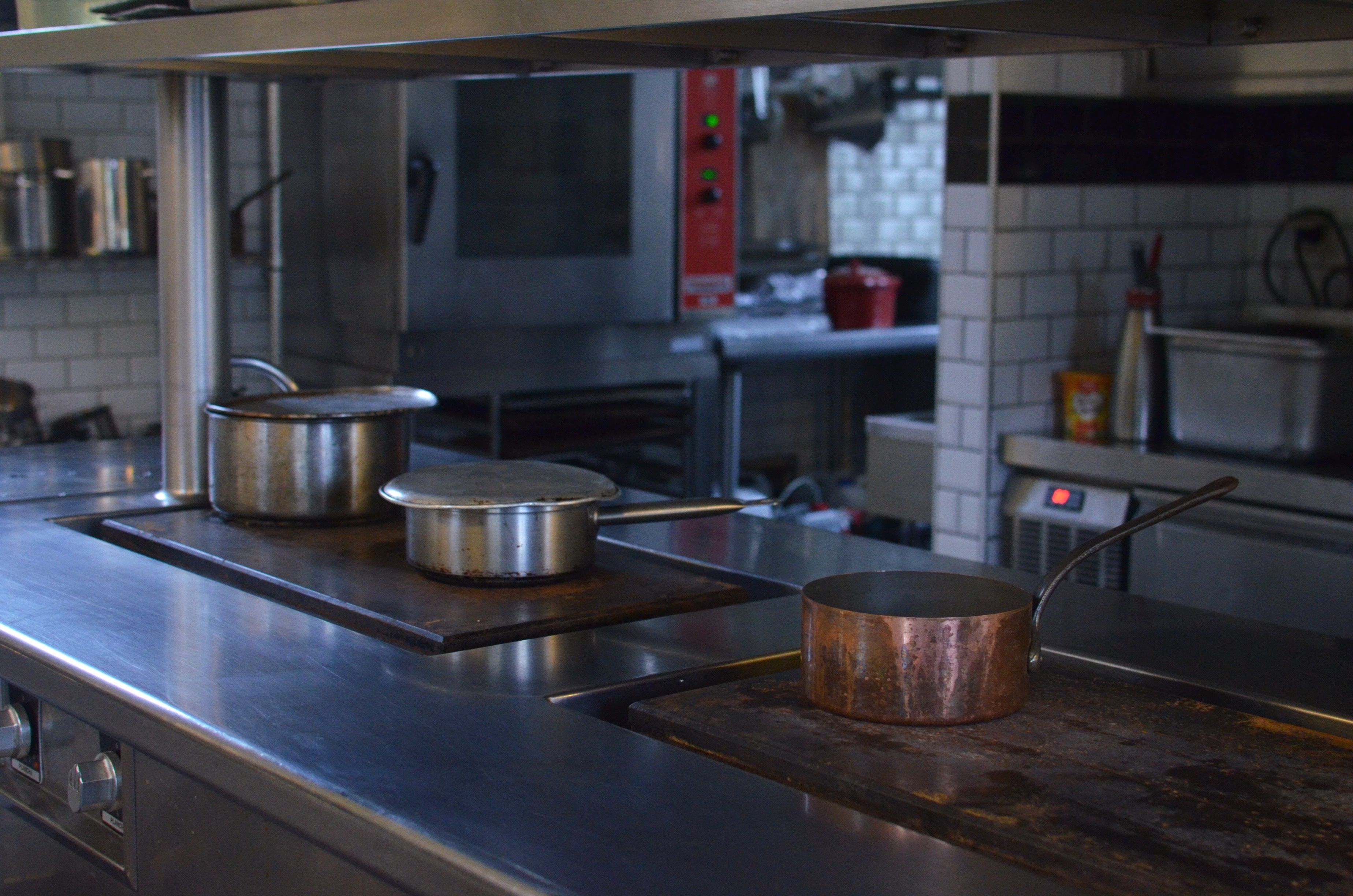
For restaurants and food service spaces, we pay close attention to food storage, kitchen equipment, grease areas, drains, trash bins, back doors, delivery entrances, and beverage stations. Roaches, rodents, ants, and flies can all create serious concerns when food, moisture, heat, and waste are present. Our blog on why DIY pest control is not enough for your restaurant explains why hidden activity and reputation risk make professional support important.
For hotels, resorts, and hospitality properties, pest control is tied directly to guest experience. Important areas include guest rooms, laundry spaces, kitchens, breakfast areas, lobby seating, outdoor patios, trash handling areas, and storage closets.
For apartment communities and offices, shared spaces matter. Trash areas, utility rooms, breakrooms, restrooms, resident turnover areas, common walls, and exterior entry points can all create recurring pest concerns.
For warehouses and storage facilities, inspection points often include loading docks, roll-up doors, pallet storage, cardboard, breakrooms, restrooms, shipping areas, and inventory zones. Rodents and roaches are especially concerning because they can hide behind stored items and move through the property before being noticed.
Why Regular Inspections Help Prevent Bigger Problems
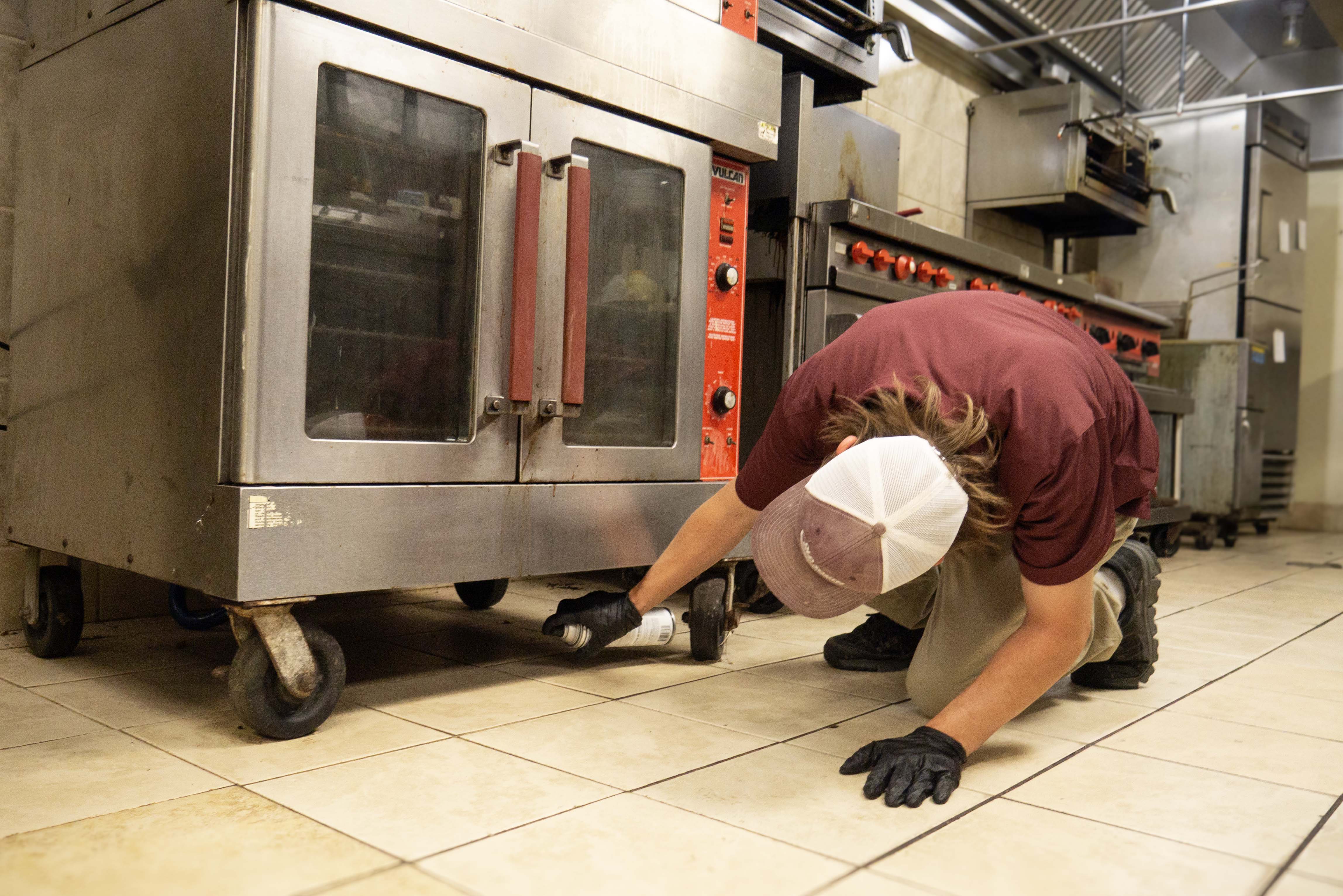 A one-time response may solve a visible issue, but regular inspections help reduce the conditions that allow pests to return. They also help identify patterns. For example, repeated activity near one door may point to a worn door sweep. Rodent signs near a storage room may point to a gap, clutter, or food source. Fly activity near a trash area may point to sanitation or drainage concerns.
Consistent inspections make pest control more proactive. They also give managers better documentation of what has been checked, what has changed, and what needs attention before the next service. Instead of waiting for a customer, tenant, or employee to report a problem, the property can be checked before the issue becomes more visible.
Why Lowcountry Conditions Increase Pest Pressure
The Lowcountry climate creates steady pest pressure. Humidity, heavy rain, warm temperatures, marsh influence, standing water, and dense landscaping can all support pest activity. For businesses, that means prevention cannot be treated as a one-time task.
A strong commercial pest plan should be:
- Consistent
- Industry-specific
- Based on inspection findings
- Focused on prevention
- Adjusted when property conditions change
Local experience matters because pest pressure can shift with weather, building layout, customer traffic, deliveries, landscaping, and the season. A rainy stretch, a landscaping change, a new delivery schedule, or a worn exterior door can all change how pests interact with the building. A plan that works for one business may not be the right fit for another.
Schedule a Commercial Pest Inspection
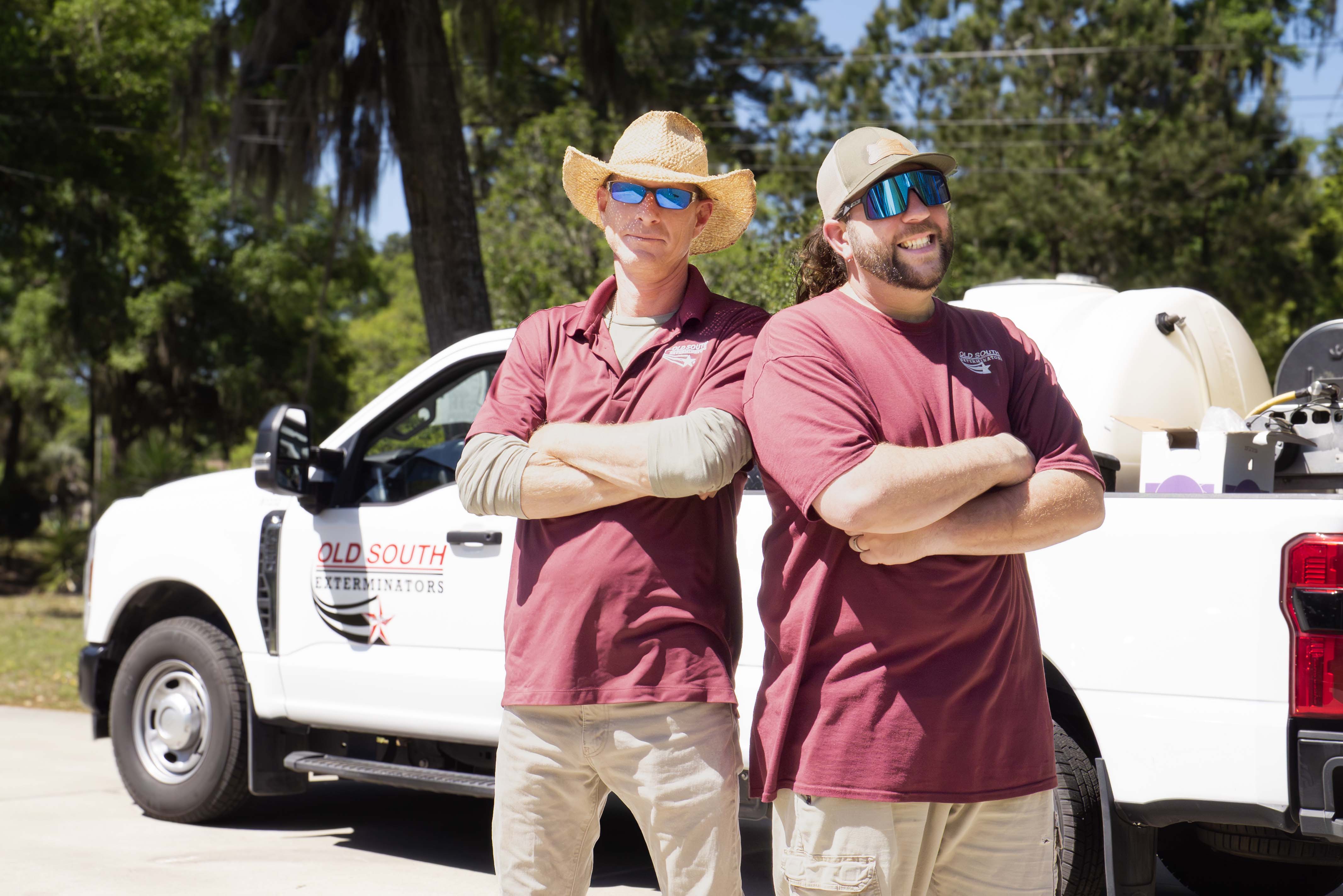
Commercial pest inspections help protect your property, customers, employees, and reputation. Whether you manage a restaurant, hotel, apartment community, warehouse, office, or retail space, regular inspections can help you stay ahead of pest activity before it becomes a bigger issue.
In some cases, commercial properties may also need WDO inspections to check for wood-destroying organisms, especially when moisture, crawl spaces, or real estate needs are involved.
At Old South Exterminators, we provide customized commercial pest control solutions for businesses across the Lowcountry, including restaurants, hotels, apartment communities, offices, warehouses, and other commercial spaces. Our team can inspect your property, identify risk areas, and recommend a prevention plan that fits your business. Contact Old South Exterminators to schedule a commercial pest inspection today.