


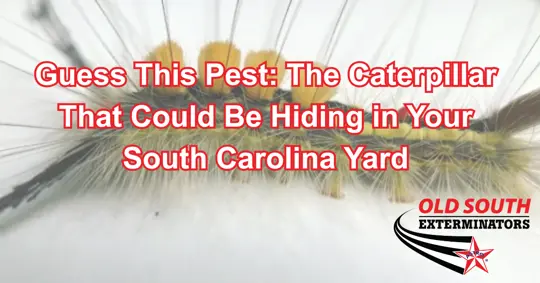
Guess This Pest: The Caterpillar That Could Be Hiding in Your South Carolina Yard
.2605190307597.jpg)
In the Lowcountry, many of the pests homeowners worry about are the obvious ones: ants in the kitchen, roaches in the bathroom, mosquitoes in the yard, or termites around the home. But every now and then, a seasonal pest causes concern for a different reason. It does not always damage the home itself. Instead, it can affect how safely and comfortably families use their outdoor spaces.
That is exactly the case with the white-marked hickory tussock caterpillar. It looks fuzzy, bright, and almost harmless at first glance. Because it may appear on trees, fencing, siding, or outdoor furniture, many people do not think twice before getting close to it.
The problem is that contact with this caterpillar can lead to an itchy, uncomfortable skin reaction. Before we explain why, let’s start with a quick “Guess This Pest” challenge.
Guess This Pest
This pest shows up outdoors during warmer parts of the year. It often appears where families spend time outside, and although it does not look dangerous, touching it can lead to irritation.
- It has a white body with black markings and noticeable tufts of hair
- It may be found on trees, shrubs, fences, siding, and outdoor furniture
- It can cause itching, redness, or rash after direct contact
- It is easy to overlook because it does not resemble the pests most people worry about
If you guessed the white-marked hickory tussock caterpillar, you are right.
The Answer: White-Marked Hickory Tussock Caterpillar
.2605190310400.jpg)
At Old South Exterminators, we know that not every pest concern is about structural damage. Sometimes the goal is protecting your family’s comfort and helping you avoid a problem before someone gets too close to it. The white-marked hickory tussock caterpillar is a good example of that kind of seasonal concern.
Its hairs can irritate the skin and may lead to itching, redness, swelling, or rash, especially in sensitive individuals. The issue is not that it looks aggressive. The issue is that it looks harmless enough for someone to touch. Children and pets may be especially likely to investigate it because of its soft, fuzzy appearance.
Why This Caterpillar Matters in the Lowcountry

In communities like Beaufort, Bluffton, Ridgeland, Port Royal, Hardeeville, and other nearby Lowcountry areas, outdoor living is part of everyday life. Families spend time gardening, grilling, relaxing on porches, and letting children or pets play in the yard. That is why this caterpillar matters more than its size might suggest.
Our climate creates plenty of opportunities for seasonal outdoor pests. Warm weather, shaded yards, mature trees, dense vegetation, and humidity all create areas where caterpillars may be noticed on trunks, branches, fencing, and outdoor surfaces. When those same spaces are used every day, accidental contact becomes more likely.
This is a practical concern for homeowners who want to enjoy their yard without worrying about something hidden on a chair, fence rail, or low-hanging branch. For more outdoor pest context, you can also read our blog on good bugs vs. bad bugs in your garden.
Health and Comfort Risks
While this caterpillar is not the same as a stinging insect, contact with its hairs can still be uncomfortable. Homeowners may notice:
- Itchy skin rashes after brushing against the caterpillar
- A burning or stinging sensation in the contact area
- Redness or mild swelling
- More noticeable reactions in sensitive individuals
For families with children and pets, the bigger concern is that curiosity often leads to contact. A child may reach for it because it looks soft. A pet may brush against it while exploring the yard. That is why awareness matters just as much as removal.
Where We Commonly Expect to Find Them
.2605190319063.jpg)
Around the home, we would most likely check tree trunks, low-hanging branches, wood fencing, shrubs, garden beds, siding, and outdoor furniture. These caterpillars may appear alone, but they can also be found in groups. If they are clustered together, the chance of repeated exposure increases.
We especially recommend paying attention to areas near seating, entry paths, children’s play spaces, and heavy landscaping. Those are the places where contact is more likely to happen. If you notice several caterpillars in the same area, avoid touching them and keep children and pets away until the area can be addressed.
Homeowners who spend a lot of time outside may also find our guide on tips to keep pests out of outdoor spaces helpful when thinking about seasonal prevention.
What They Turn Into
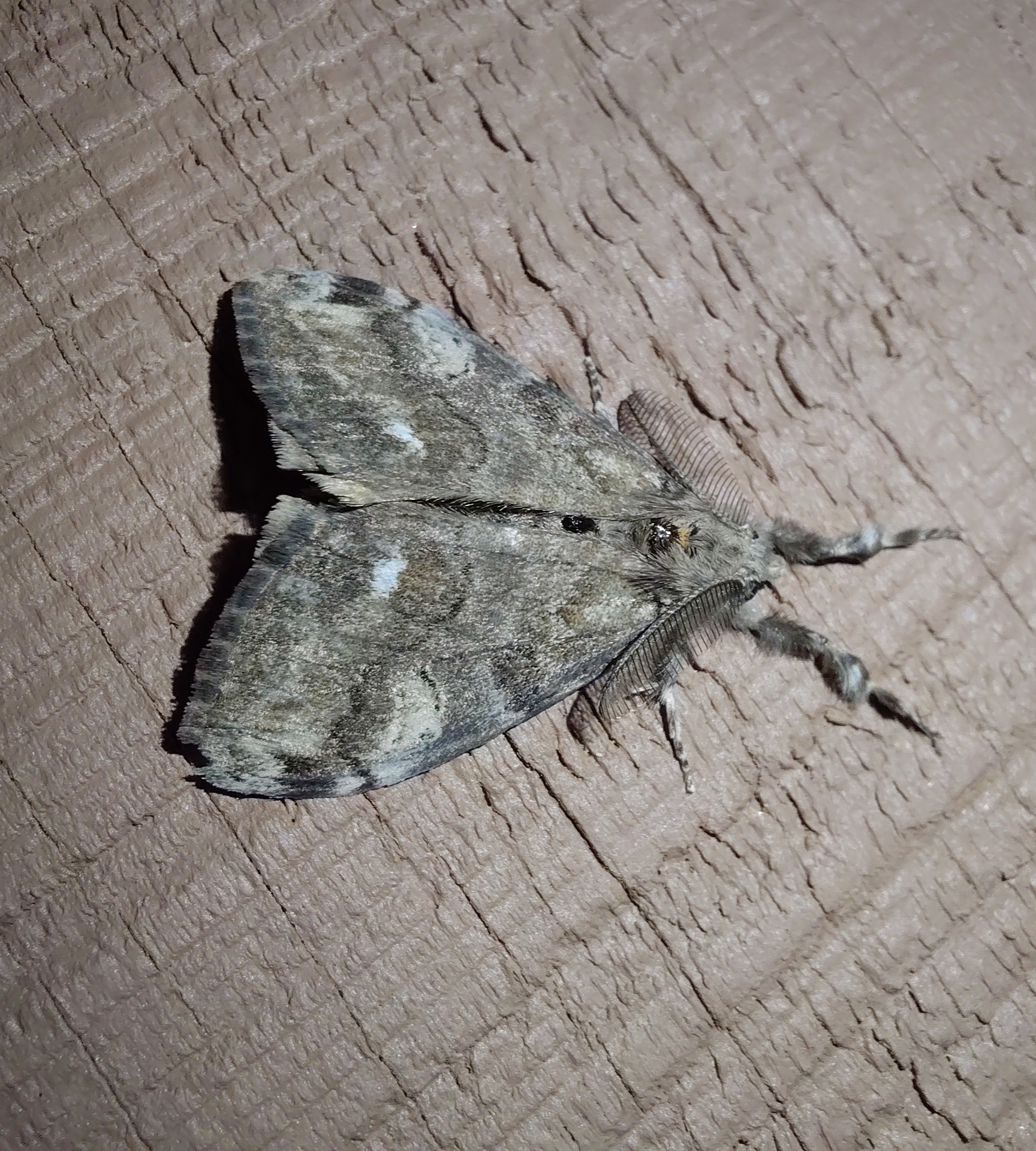
The white-marked hickory tussock caterpillar eventually becomes the white-marked tussock moth. This life-cycle detail is useful because it helps homeowners understand that the fuzzy caterpillar is only one stage of the insect’s development.
The adult moth is not usually the stage that concerns homeowners most. The caterpillar stage is the main concern because that is when the irritating hairs can cause discomfort after contact. Still, understanding what it turns into helps homeowners identify the issue more clearly and recognize that this is a seasonal outdoor pest, not just a random insect passing through the yard.
Why DIY Removal Can Backfire
When homeowners see a fuzzy caterpillar, the first instinct may be to brush it away, sweep it off a surface, or pick it up with a napkin or bare hand. Unfortunately, those casual removal attempts are exactly when accidental contact can happen.
Without protective gloves or the right approach, you may end up spreading the hairs or causing more irritation. That is one reason we encourage caution. If you are seeing these caterpillars near entryways, outdoor seating, or play areas, it is better to address the issue thoughtfully rather than impulsively.
Some seasonal pests may also be connected to broader regional pest concerns, which is why homeowners may want to learn more about invasive species in South Carolina and how new or unusual pests can affect local properties.
How We Help Protect Your Yard and Home
.2605190347250.png)
At Old South Exterminators, we help homeowners address outdoor pest issues with practical, property-specific recommendations. Depending on the layout of the yard and the surrounding vegetation, we may recommend targeted outdoor treatment, inspection of high-risk areas, and broader pest control services to reduce seasonal pest pressure.
We also encourage homeowners to think about this caterpillar in the bigger context of Lowcountry pest prevention. The same attention you give to ants, roaches, mosquitoes, termites, and other common outdoor pests should also apply to seasonal pests that affect how safely you can use your property.
For homeowners who want ongoing protection, our routine general pest management options can help reduce pest pressure around the home throughout the year.
And if you are seeing unusual outdoor pests beyond caterpillars, our related blog about the Joro spider in the Lowcountry is another helpful seasonal pest resource.
Call to Action
If you have seen unusual caterpillars around your yard, outdoor furniture, fence lines, or play spaces, do not wait until someone makes contact with them. Our team can help you identify the issue and recommend the right next step for your property.
Contact us today to schedule service and let our Old South team help keep your outdoor areas more comfortable and better protected.